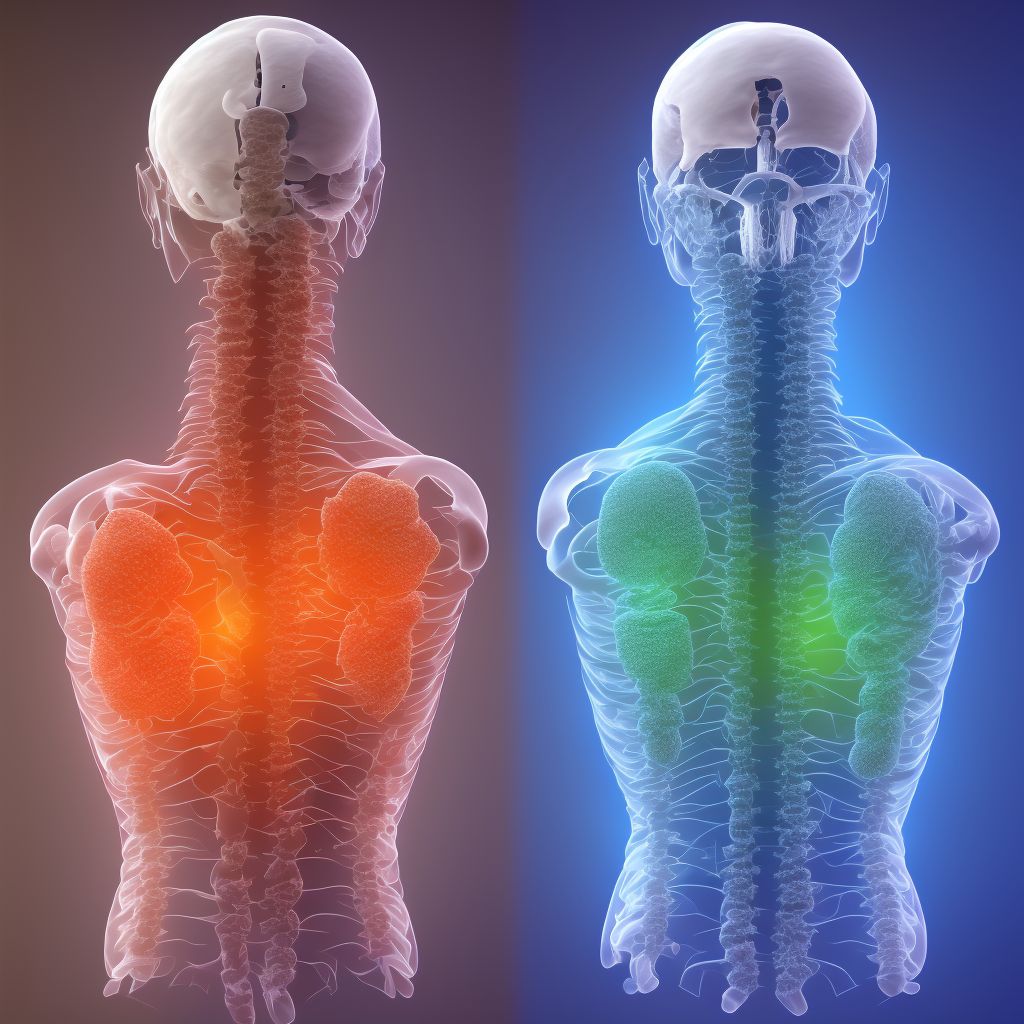
Subluxation of L4/L5 lumbar vertebra, subsequent encounter Save
ICD-10 code: S33.140D
Disease category: S33.140: Subluxation of L4/L5 lumbar vertebra
```html
Subluxation of L4/L5 Lumbar Vertebra: Subsequent Encounter
Subluxation of the lumbar vertebrae, particularly at the L4/L5 level, is a common condition that can lead to various complications if not addressed properly. This condition refers to a partial dislocation of the vertebrae, which can cause discomfort and affect overall spinal health. In subsequent encounters, healthcare providers often focus on monitoring the condition and assessing any changes since the initial diagnosis.
Understanding Subluxation
Subluxation occurs when the alignment of the vertebrae is disrupted, leading to potential nerve compression and pain. The lumbar spine, especially the L4 and L5 vertebrae, is crucial for movement and support of the lower back. Here are some important points about subluxation:
- Causes: Subluxation can be caused by trauma, poor posture, repetitive strain, or degenerative changes in the spine.
- Symptoms: Common symptoms include localized pain, muscle stiffness, and sometimes radiating pain down the legs.
- Diagnosis: Diagnosis typically involves a physical examination and imaging studies like X-rays or MRI to assess the alignment of the vertebrae.
- Subsequent Encounters: In follow-up visits, practitioners will evaluate any changes in symptoms, assess spinal alignment, and determine the need for further interventions.
Importance of Monitoring
Regular monitoring during subsequent encounters is vital for patients with L4/L5 subluxation. This allows healthcare providers to track the progression of the condition and make informed decisions about ongoing care. Patients are encouraged to communicate any new or worsening symptoms during these visits to ensure comprehensive management of their spinal health.
In conclusion, understanding the implications of subluxation at the L4/L5 level is crucial for maintaining spinal health. Subsequent encounters play a significant role in monitoring the condition and ensuring that any necessary adjustments are made to the care plan.
```Treatment of Subluxation of L4/L5 lumbar vertebra, subsequent encounter:
```html
Treatment Options for Subluxation of L4/L5 Lumbar Vertebra: Subsequent Encounter
Subluxation of the L4/L5 lumbar vertebra can lead to significant discomfort and functional impairment. This condition, often experienced as lower back pain, may require a multifaceted approach for effective treatment. Here are some common treatment options available for managing this condition ...
To see full information about treatment please Sign up or Log in